






Faerie folk have traditionally been much darker beings, who humans mix with at their own risk
Sarah Clegg takes us out of our own world and into the realm of these mysterious folk
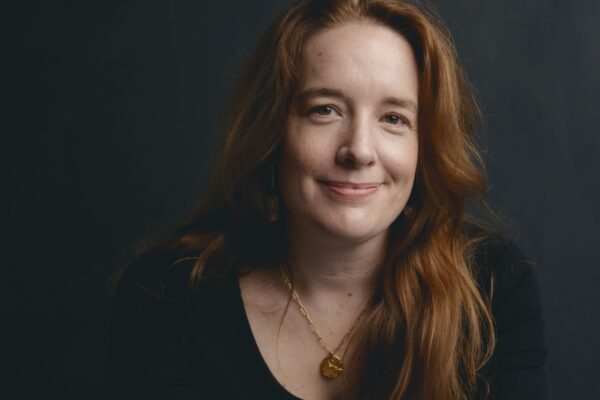
Far from being pretty little Tinker Bells, the faerie folk have traditionally been much darker beings, who humans mix with at their own risk. Sarah Clegg’s Perilous Enchantment: A True History of Faeries takes us out of our own world and into the realm of these mysterious folk.
Image credit: Olivia Spencer
Tell us a little about your book
It’s an examination of how fairy myths grew and spread across Europe, how they’ve changed and developed over time, and of why, for centuries, we have been utterly beguiled by the fae.
Have tales of faeries always been there or have they emerged from elsewhere?
Fairies emerged from a whole host of creatures – from nymphs and pans of ancient Greece and Rome to the aes sidhe of Ireland and the elves of Germanic myth. They especially came from fates – to the extent that fairies are still called “fates” in Italy, and constantly spend their time prophesying or granting the gift of prophesy – in fact the word “fae” may well come from the word for fate. It was in around the 12th century that they came together as a specific set of creatures, with set behaviours and appearances – though of course there were plenty more changes to come after that!
Today's witches, faeries and their ilk have been made quite cute - are we losing something by no longer seeing them as dark and “other”?
My personal preference is the dark, dangerous, alluring fairies of the middle ages, and I especially love the otherness of them – this feeling in so many of the stories that their interactions with humans are a sideline for them, that they have other things going on, things that we don’t understand and possibly couldn’t ever understand. There’s real power (and dread) in them – this destabilising effect where you never know what will happen when a fairy appears, but you certainly know you need to be on your guard, no matter how beautiful and enchanting they might be.
But I do think we gain things from the cuter fairies too – it’s actually in WWI that we see the fairy-tweeness of the Victorian era really get compounded: you get cutesy fairy postcards being sent to the troops in the trenches, and Robert Graves is combining adorable poems about being a “fairy child” with ones about finding dead German soldiers in his 1918 book Fairies and Fusiliers. It’s very clear that in among all the horrors, there’s a need for something entirely non-horrible, and I do think it’s incredible that fairies could provide that as much as they could provide creeping dread in earlier stories.
What role do they play in our cultural life today?
I think one of reasons fairies have been with us for so long is that there are so many versions of them – they’re darkness and danger, mischief and madness, cuteness and safety. We’re aware culturally of all of these different forms (and they remain infinitely malleable, so if we want to create new ones we can do that too), and we choose whichever work best for us, or whichever ones work best for a story.
Do you have any favourite characters from the faerie realm?
I love a medieval fairy queen – wildly powerful, beautiful, picking (and discarding) her own mortal lovers at will, answering to no one. And – perhaps at the opposite end of the fairy spectrum – I’ll always have a soft spot for the Red Cap, the terrifying little creature that dyes its hat red with the blood of his victims.
It's the National Year of Reading - can you recommend a fairytale?
It’s not so much a fairy tale as a tale of fairies, but I think everyone should read Yonec by Marie de France, it’s one of my absolute favourites.
Book tickets for Sarah Clegg's event at the Festival on Saturday 3 October.
Buy Sarah's book from our Number Twenty-Six bookshop.
